










Energy-efficient solutions
Homes - the biggest zero-carbon challenge
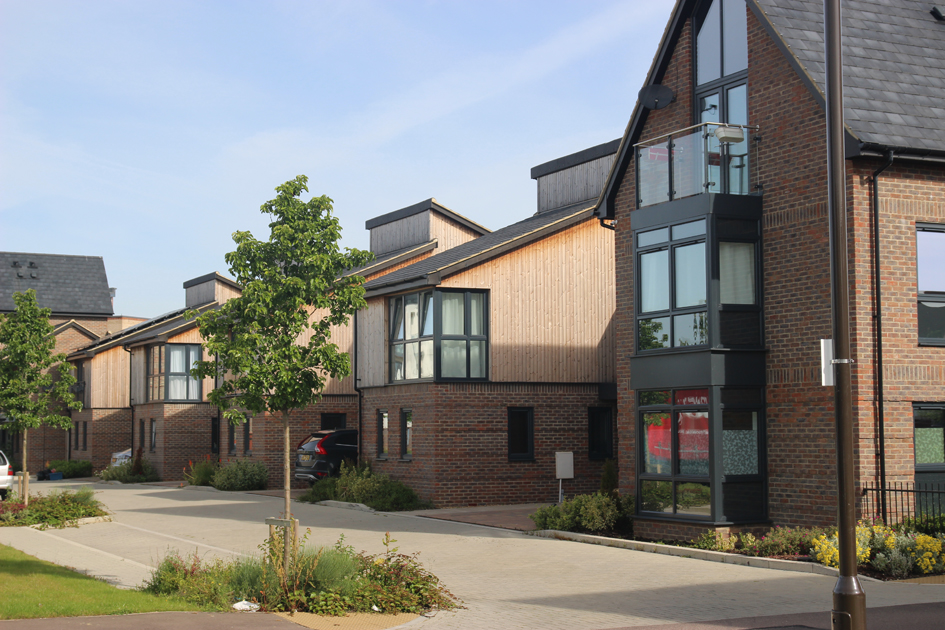
George Clarke looks at the huge challenge to make existing homes zero-carbon
There are nearly 67 million people living in 25 million dwellings in Britain. In our temperate climate, all these homes need heating and hot water and they also need power to keep the lights on.
That means they need energy and that energy, most of the time, comes from fossil fuels. Things are beginning to change, but UK housing has a massive dependancy on fossil fuels.
Yet we live in a country where over 2.5 million currently live in fuel poverty.
What does the future hold for those in fuel poverty and the rest of Britain when household energy bills are predicted to increase by up to 50% from April?
- Read more about Homes - the biggest zero-carbon challenge
- Log in to post comments
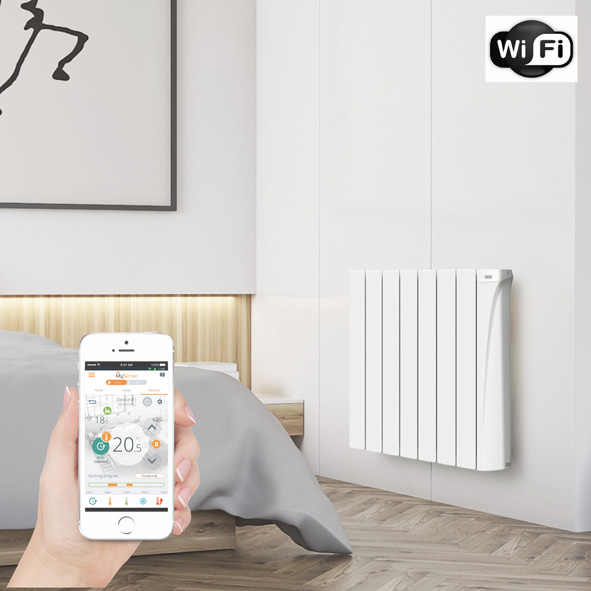
Affordable, green electric heating alternative to heat pumps
Low-carbon heating is today’s gold standard for heating systems, and the government recommends replacing fossil fuel gas and oil central heating systems with a heat pump instead of a gas, oil, LPG fired boiler. While heat pumps are ideal for modern housing built to today’s energy conservation, SAP and heat loss standards, they are harder to install in older council owned housing stock, the majority of which is either flats, apartments or maisonettes and built prior to 1999.
The age of heat pumps is now here
If you’ve been paying attention to the news recently and especially stories about carbon reduction targets and the build-up to COP26 in Glasgow, you can’t have missed mention of heat pumps.
There has been good, bad and uninformed comment but the main message is clear: Heat pumps are here now, and they offer a viable solution to heating our homes in a low carbon way that will help tackle climate change.
And the country really needs to find a way to decarbonise society, if we are to get anywhere near the ambitious targets for carbon reduction that the government has signed up to.
And this is where heat pumps can really help!
- Read more about The age of heat pumps is now here
- Log in to post comments
What do next month’s Part L changes mean for housing providers?
Changes to Part L have significant ramifications for new build – but also replacement programmes. We report...
The Government is expected to unveil its interim update to Part L next month [Oct]. Stopping short of the far more comprehensive changes to follow in 2025 ,with the introduction of the Future Homes Standard, they nonetheless have significant ramifications for new build and refurbishment programmes – including windows and doors.
John Duckworth, Head of Sales, Commercial, Deceuninck, explains: “The Ministry of Housing Communities and Local Government (MHCLG) is expected to publish its revision of Part L in this October, coming into effect in England and Wales from July next year.
“While it doesn’t go anywhere near as far as the Future Homes Standard, its ramifications are significant for new build and refurbishment projects, pushing up minimum standards at a time when COVID-related supply chain disruption is already pushing up costs and disrupting delivery.
“Planning now to take out the guess work is critical.”
Thermal stores - The ideal solution for housing providers
Thermal Stores have been an effective and highly efficient hot water solution in the UK for almost 40 years. However, many installers today revert to an unvented cylinder solution for mains pressure hot water, mainly due to a lack of awareness and understanding of thermal store technology.
McDonald Water Storage have seen thermal store popularity rise however, particularly in apartment applications, as they overcome many of the frustrations both installers and housing providers have with unvented cylinder installations, including the hidden costs of the difficult G3 requirements and ongoing annual maintenance.
A new dawn, a new day, a new Essco and they’re feeling good!
Essco are delighted to unveil their revitalised company branding, which includes a new name, look and website. The branding reflects the creation of the new ‘Essco Group’ and represents a big change, with the previous logo having been in place for 13 years. These changes are not just skin deep, the company is also enhancing their existing assets with the addition of new products, services and solutions.
Copyright © 2026. All rights reserved.
Designed By Euromedia Associates Ltd