















domestic heating

Altecnic launch new Dry Trap Tundish

Submitted by Kate on
paragraphs
tundish

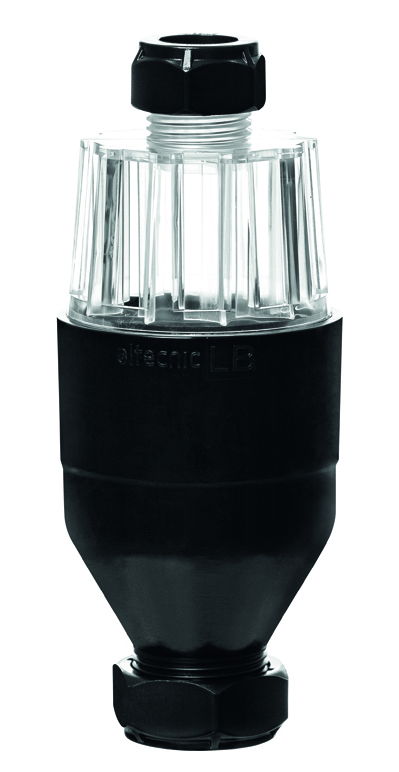
Designed to prevent the need for the installation of both a tundish and a dry trap, whilst still preventing smells and odours passing through.

Altecnic, the leading supplier of hydronic solutions and part of the Caleffi Group, have launched a new Dry Trap Tundish. Unlike any other tundish on the market, the Altecnic Dry Trap Tundish boasts a patented, anti-splash design with a transparent chamber that provides a visual indicator for discharge and is fully compliant with G3 building regulations.  

Radiators work well with heat pumps - official!

Submitted by Kate on
paragraphs
radiators

The rise and rise of the heat pump is seeing the need for larger and higher capacity radiators. Stelrad has responded to these needs by broadening its already massive range of sizes and shapes for its most popular radiators and the introduction of a wider range of vertical radiators. It is also meeting the enhanced need for its K3 radiators – with three panels and three fins offering 50% more heating capacity from a radiator with the same footprint as a K2 format radiator for example. 

LG achieves Quiet Mark for Therma V Monobloc ‘S’

Submitted by Kate on
paragraphs
Quiet mark

LG Electronics has recently achieved the Quiet Mark accreditation for its leading air to water heat pump – the Therma V Monobloc ‘S’. LG has been awarded the Quiet Mark for a wide range of more than 100 of its home appliances – washing machines and the like - but this is the first Air Solutions product to receive the accolade and now joins the esteemed line up of Quiet Mark certified products available from LG.

WMS supports Bellway to deliver The Future Home @ The University of Salford

Submitted by Kate on
paragraphs
The Future Home

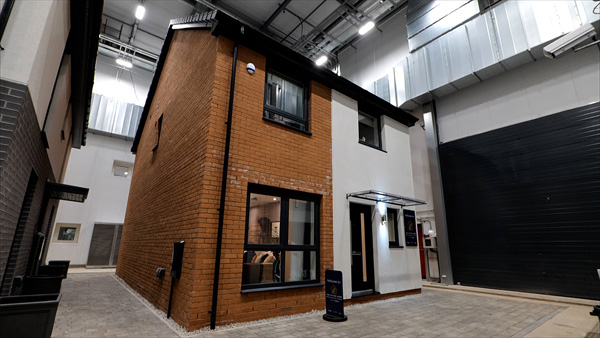
WMS underfloor heating is proud to announce its involvement in delivering national housebuilder Bellway’s latest carbon reduction research project, The Future Home @ The University of Salford, which aims to address domestic energy efficiency challenges by putting low-carbon technologies to the test.
 
The developer’s experimental eco home has been constructed within one of two environmental chambers inside Energy House 2.0, this collaborative project between Bellway Homes and other partners, including The University of Salford, Barratt Developments and Saint-Gobain.

Energy House 2.0 is a unique £16 million research facility, part-funded by the European Regional Development Fund (ERDF) and is playing a pivotal role in accelerating the progress towards low carbon and net zero housing design and builds.

Categories

Launching a new era of low carbon heating for UK tower blocks

Submitted by Kate on
paragraphs
low carbon heating

The majority of Britain’s tower blocks have originally been designed to provide affordable and safe housing to a large number of residents. With great views and surrounding public open spaces, many of them were created to replace damaged or unsanitary pre-war dwellings, with the aim of modernising our cities and improving the living conditions of many.

However, despite the designers original intentions, tower blocks are now notorious for high energy bills. This is due to the fact that most of these high-rise, multi-occupancy buildings use electric storage heaters that are expensive to run and don’t provide adequate temperature control. This challenge is especially serious in the case of social housing blocks, where residents are particularly vulnerable to fuel poverty.

Stop the prepayment meter madness with a social tariff

Submitted by Kate on
paragraphs
prepayment

Mainstream media has been buzzing these last few weeks with stories about households being forced onto prepayment meters because they have been unable to pay their bills. British Gas has come under particular fire due to employing bailiffs who have allegedly used threatening behaviour to enter people’s properties and install prepaid meters.

This has generated a lot of negative reactions - and understandably so. People are being expected to find sometimes hundreds more pounds a month from incomes that have not increased in line with inflation, to cover household bills and everyday shopping essentials, the costs of which are spiralling out of control.